

Plant growth regulators (PGRs) are chemical compounds that are used in plant cultivation to regulate plant growth and development. They can be naturally occurring or synthetic, and they are used to manipulate various aspects of plant growth, including vegetative growth, flowering, fruiting, and other physiological processes. Here are some key points to consider about plant growth regulators on https://tropicexotic.ca:
Plant Growth Regulators
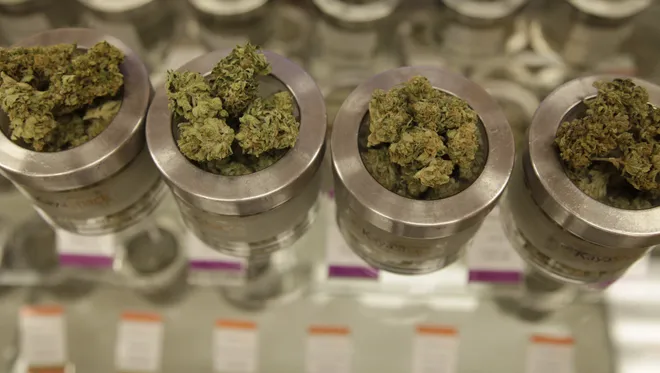
- Types of plant growth regulators: There are several types of plant growth regulators, including auxins, gibberellins, cytokinins, abscisic acid, and ethylene, among others. Each type of PGR has a specific function and can affect different aspects of plant growth and development. For example, auxins are commonly used to promote root development and control apical dominance, while gibberellins are used to stimulate stem elongation and flowering.
- Uses of plant growth regulators: Plant growth regulators are used in various ways in plant cultivation, including in agriculture, horticulture, and floriculture. They can be used to promote or inhibit plant growth, regulate flowering and fruiting, control plant height, improve fruit set, delay senescence, and enhance stress tolerance, among other applications. PGRs are used in crops such as fruits, vegetables, cereals, ornamentals, and turfgrass to achieve desired growth and developmental characteristics.
- Regulation of plant growth regulators: The use of plant growth regulators is regulated by local, national, and international regulations, as they are classified as agrochemicals or pesticides. It’s important to follow the regulations in your specific jurisdiction, including obtaining the necessary permits or licenses for the purchase, handling, and application of PGRs. It’s also crucial to use PGRs according to label instructions, as they can have different effects depending on the concentration, application timing, and plant species.
- Benefits and risks of plant growth regulators: PGRs can offer several benefits in plant cultivation, such as increased crop yield, improved crop quality, enhanced stress tolerance, and optimized plant growth and development. However, there are also potential risks associated with the use of PGRs, including phytotoxicity, environmental concerns, and potential residues in harvested crops. It’s important to carefully evaluate the benefits and risks of using PGRs, and to use them judiciously and responsibly following recommended application rates and best practices.
- Integrated approach: The use of plant growth regulators should be part of an integrated approach to plant cultivation, which includes good agronomic practices, proper nutrient management, pest and disease control, and other sustainable crop management strategies. PGRs should not be used as a standalone solution, but rather as a tool in a comprehensive approach to plant production.
In conclusion, plant growth regulators are chemical compounds used in plant cultivation to regulate plant growth and development. They can be valuable tools in crop management, but their use should be done in compliance with regulations, following label instructions, and as part of an integrated approach to plant cultivation. It’s important to understand the specific effects, benefits, risks, and best practices associated with the use of plant growth regulators in your specific crop and production system.
Leave a Reply
You must be logged in to post a comment.