

Achieving landscape success can be made easier by starting with “easy wins,” which are relatively simple and effective steps that can yield noticeable results. Here are some tips for guaranteeing landscape success by starting with easy wins on https://www.sbevolutionlandscape.com:
How to Guarantee Landscape Success by Starting with Easy Wins
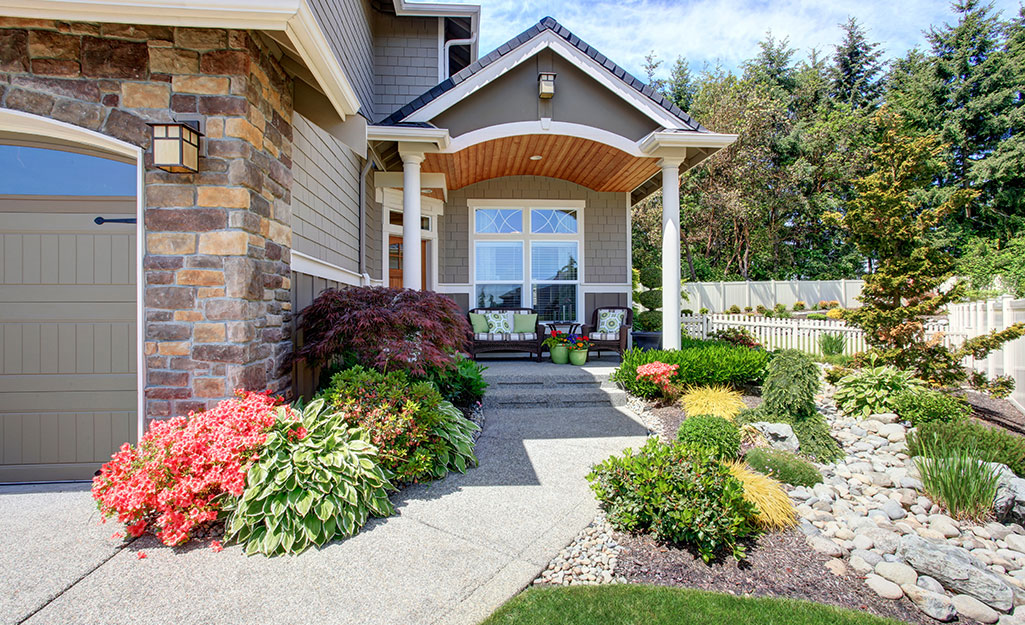
- Choose Native Plants: Native plants are well-adapted to the local climate and require less maintenance, water, and pesticides compared to non-native plants. Choosing native plants for your landscape can make gardening easier and more sustainable, while also providing habitat for local wildlife.
- Group Plants by Water Needs: Grouping plants in your landscape based on their water needs can help you efficiently manage irrigation and avoid overwatering or underwatering. This can save water, reduce maintenance efforts, and promote plant health.
- Use Mulch: Mulching is a simple and effective way to conserve moisture, suppress weeds, and improve soil health. Mulch can also enhance the aesthetic appeal of your landscape while reducing maintenance needs.
- Incorporate Edible Plants: Incorporating edible plants into your landscape can be a rewarding and practical way to enjoy homegrown produce. Herbs, fruits, and vegetables can be grown in various landscape settings, from traditional garden beds to containers and vertical gardens.
- Implement Sustainable Irrigation: Use sustainable irrigation practices, such as drip irrigation or rainwater harvesting, to minimize water waste and ensure efficient water use in your landscape. Avoid overwatering and schedule irrigation based on plant needs and weather conditions.
- Consider Low-maintenance Landscaping: Choose low-maintenance plants and landscape features that require minimal upkeep, such as drought-tolerant plants, native grasses, and low-mow lawns. This can reduce the time, effort, and resources needed for landscape maintenance.
- Plan for Proper Drainage: Proper drainage is essential for preventing waterlogging and erosion in your landscape. Plan for proper grading, use swales or rain gardens to capture excess water, and avoid over-paving to allow water to infiltrate into the ground.
- Reduce Chemical Inputs: Minimize the use of chemical fertilizers, pesticides, and herbicides in your landscape. Instead, opt for organic or natural alternatives, or adopt integrated pest management (IPM) practices that emphasize biological controls and cultural practices to manage pests and diseases.
- Practice Lawn Care Best Practices: If you have a lawn, follow lawn care best practices, such as mowing at the correct height, watering deeply but infrequently, and leaving grass clippings on the lawn to decompose and return nutrients to the soil.
- Plan for Functionality: Consider the functionality of your landscape and how it will be used. Plan for spaces that are practical, accessible, and meet your needs, whether it’s for entertaining, play, or relaxation. This can ensure that your landscape is not only visually appealing but also serves a functional purpose for you and your family.
By starting with these “easy wins” in your landscape, you can create a more sustainable, low-maintenance, and functional outdoor space that is visually appealing and contributes to the overall success of your landscape. As you gain confidence and experience, you can then consider more complex and ambitious projects to further enhance your landscape’s sustainability and beauty.
Leave a Reply
You must be logged in to post a comment.